
Showing posts with label Native. Show all posts
Showing posts with label Native. Show all posts
Saturday, 9 February 2013
 Native Indian music " Amanecer andino "
 03:31 |
  Posted by
Unknown
Posted by
Unknown
Native Indian music " Amanecer andino " Tube. Duration : 5.23 Mins.
This all music is attempt to depict Indians as they are - not as the history books , the history books written by conquerors have shown them. Indians from North and South America aren't the uncivilized savages that the popular media has portrayed for years. It is so easy to forget that this land we call America was occupied and cared for by the various people who had lived on this land for tens of thousands of years long before the Europeans came. It was their land and it was taken from them by force. Yes, they fought and they fought with a vengeance. And rightfully so. Even those who claim to be religious and upright and believe in our religious teachings of brotherhood and equality have managed to declare exceptions.... the first people of America- the Indians. We must accept it's true that native people of America have made to the wisdom and our way of live . This music Native Indians is brought to you as a tribute to our native people from North America , who have got one's own national the language , the culture , the heritage.
This all music is attempt to depict Indians as they are - not as the history books , the history books written by conquerors have shown them. Indians from North and South America aren't the uncivilized savages that the popular media has portrayed for years. It is so easy to forget that this land we call America was occupied and cared for by the various people who had lived on this land for tens of thousands of years long before the Europeans came. It was their land and it was taken from them by force. Yes, they fought and they fought with a vengeance. And rightfully so. Even those who claim to be religious and upright and believe in our religious teachings of brotherhood and equality have managed to declare exceptions.... the first people of America- the Indians. We must accept it's true that native people of America have made to the wisdom and our way of live . This music Native Indians is brought to you as a tribute to our native people from North America , who have got one's own national the language , the culture , the heritage.
Thursday, 7 February 2013
Small Spirits: Native American Dolls from the National Museum of the American Indian
05:57 |
Posted by
Unknown
I want everyone to be happy with my purchase of the site.
I do not know what everyone was happy.
But I just want a small smile. To all visitors on the web.
target="_blank">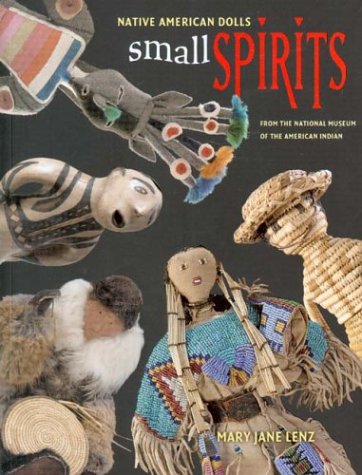

Small Spirits: Native American Dolls from the National Museum of the American Indian
Do you buy the product ....
People buy the item below.
Products are as follows.
Click on the image to select the product in stock. Models and colors.
Click on the image to see the price inside.
and see the details inside in image
Can not find the product you want.
Using the scanner or click on the image to the many other products
Product Description Click the product image.
Thank you for using our services and property purchased with us.
| This book features a dazzling variety of Native American dolls - from prehistoric ceramic figures to striking contemporary creations by Inuit and Pueblo artists - fills the pages of "Small Spirits". These miniature forms have played rich and diverse roles in indigenous cultures from antiquity to the present, serving as toys and learning tools for children, sacred and magical figurines, props and performers in drama and dance, and, in recent years, items manufactured for sale. Some dolls today are created as artworks and coveted by collectors. Stunning full-colour images portray the beauty and craftsmanship of the dolls, from the simplest toy made of sticks and cloth scraps to the exquisitely dressed replica of a woman in her finest regalia. Each offers a glimpse into a particular cultural world - Navajo, Cree, or Tapirape - and into the mind of an individual maker. The great variety of form and materials - such as walrus tusk ivory, cornhusks, and beeswax embellished with the brilliantly coloured feathers of tropical birds - reflects the vibrancy and range of Native American lifeways. Mary Jane Lenz's insightful, authoritative text offers a lively discussion of the intriguing roles that dolls have played in Native American cultures and explores their significance today, while carefully chosen historical photographs bring to life the people who made and used these remarkable creations. ...Read
more |
 |
|
CERTAIN CONTENT THAT APPEARS ON THIS SITE COMES FROM AMAZON SERVICES LLC. THIS CONTENT IS PROVIDED 'AS IS' AND IS SUBJECT TO CHANGE OR REMOVAL AT ANY TIME.
Tuesday, 8 January 2013
Our Warrior Spirit: Native Americans in the US Military
09:46 |
Posted by
Unknown
Our Warrior Spirit: Native Americans in the US Military Video Clips. Duration : 120.35 Mins.
Native Americans have served in the US military since the American Revolution, and by percentage serve more than any other ethnic group in the armed forces. Join us at a special program as Native veterans share their heroic and unforgettable stories of service in conflicts, and noted scholar and author Herman J. Viola, curator emeritus at the Smithsonian Institution, chronicles the roles of Native soldiers from 1770 to the present, including tales of tragedy, humor, loyalty, and conflict. The program features a panel of American Indians who have served our country in the armed forces, including Debra Kay Mooney (Choctaw), an Iraq War veteran who organized and hosted a powwow in a war zone in Iraq in 2004 (objects from the powwow will be on display at the museum during the program); Chuck Boers (Lipan Apache/Cherokee), an Iraq War veteran and the recipient of two Bronze Star and three Purple Heart medals; John Emhoolah (Kiowa), a Korean War Veteran who joined the Oklahoma Thunderbird Division when he was still in high school and later helped lobby for the passage of the Native American Religious Freedom Act; and Joseph Medicine Crow, a World War II veteran who was awarded the Presidential Medal of Freedom in 2009 by President Barack Obama. Jason Giles—attorney, Marine Corps Captain, and tribal citizen of the Muscogee (Creek) Nation—moderates.
Native Americans have served in the US military since the American Revolution, and by percentage serve more than any other ethnic group in the armed forces. Join us at a special program as Native veterans share their heroic and unforgettable stories of service in conflicts, and noted scholar and author Herman J. Viola, curator emeritus at the Smithsonian Institution, chronicles the roles of Native soldiers from 1770 to the present, including tales of tragedy, humor, loyalty, and conflict. The program features a panel of American Indians who have served our country in the armed forces, including Debra Kay Mooney (Choctaw), an Iraq War veteran who organized and hosted a powwow in a war zone in Iraq in 2004 (objects from the powwow will be on display at the museum during the program); Chuck Boers (Lipan Apache/Cherokee), an Iraq War veteran and the recipient of two Bronze Star and three Purple Heart medals; John Emhoolah (Kiowa), a Korean War Veteran who joined the Oklahoma Thunderbird Division when he was still in high school and later helped lobby for the passage of the Native American Religious Freedom Act; and Joseph Medicine Crow, a World War II veteran who was awarded the Presidential Medal of Freedom in 2009 by President Barack Obama. Jason Giles—attorney, Marine Corps Captain, and tribal citizen of the Muscogee (Creek) Nation—moderates.
Thursday, 20 December 2012
Decolonizing Museums: Representing Native America in National and Tribal Museums (First Peoples, New Directions in Indigenous Studies)
02:46 |
Posted by
Unknown
In my heart. Toward the purchase of
I want everyone to be happy with my purchase of the site.
I do not know what everyone was happy.
But I just want a small smile. To all visitors on the web.
 |
[else] [endif] |
 |
|
| Museum exhibitions focusing on Native American history have long been curator controlled. However, a shift is occurring, giving Indigenous people a larger role in determining exhibition content. In Decolonizing Museums, Amy Lonetree examines the complexities of these new relationships with an eye toward exploring how museums can grapple with centuries of unresolved trauma as they tell the stories of Native peoples. She investigates how museums can honor an Indigenous worldview and way of knowing, challenge stereotypical representations, and speak the hard truths of colonization within exhibition spaces to address the persistent legacies of historical unresolved grief in Native communities. Lonetree focuses on the representation of Native Americans in exhibitions at the Smithsonian's National Museum of the American Indian, the Mille Lacs Indian Museum in Minnesota, and the Ziibiwing Center of Anishinabe Culture and Lifeways in Michigan. Drawing on her experiences as an Indigenous scholar and museum professional, Lonetree analyzes exhibition texts and images, records of exhibition development, and interviews with staff members. She addresses historical and contemporary museum practices and charts possible paths for the future curation and presentation of Native lifeways. ...Read more |
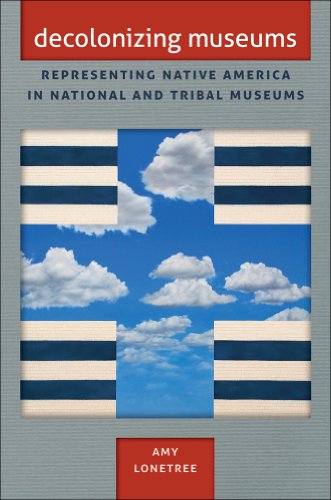
Decolonizing Museums: Representing Native America in National and Tribal Museums (First Peoples, New Directions in Indigenous Studies)
Do you buy the product ....
People buy the item below.
Products are as follows.
Click on the image to select the product in stock. Models and colors.
Click on the image to see the price inside.
and see the details inside in image
Can not find the product you want.
Using the scanner or click on the image to the many other products
Product Description Click the product image.
Thank you for using our services and property purchased with us.
CERTAIN CONTENT THAT APPEARS ON THIS SITE COMES FROM AMAZON SERVICES LLC. THIS CONTENT IS PROVIDED 'AS IS' AND IS SUBJECT TO CHANGE OR REMOVAL AT ANY TIME.
 Labels:
America,
Concrete,
Containers,
Decolonizing,
Directions,
Features,
First,
Furniture,
Garden,
Indigenous,
Inexpensive,
Museums,
national,
Native,
Peoples,
Projects,
Representing,
Studies,
Tribal
|
Labels:
America,
Concrete,
Containers,
Decolonizing,
Directions,
Features,
First,
Furniture,
Garden,
Indigenous,
Inexpensive,
Museums,
national,
Native,
Peoples,
Projects,
Representing,
Studies,
Tribal
|
 0
comments
0
comments
Subscribe to:
Posts (Atom)