
 Native Indian music " Amanecer andino "
 03:31 |
  Posted by
Unknown
Posted by
Unknown
This all music is attempt to depict Indians as they are - not as the history books , the history books written by conquerors have shown them. Indians from North and South America aren't the uncivilized savages that the popular media has portrayed for years. It is so easy to forget that this land we call America was occupied and cared for by the various people who had lived on this land for tens of thousands of years long before the Europeans came. It was their land and it was taken from them by force. Yes, they fought and they fought with a vengeance. And rightfully so. Even those who claim to be religious and upright and believe in our religious teachings of brotherhood and equality have managed to declare exceptions.... the first people of America- the Indians. We must accept it's true that native people of America have made to the wisdom and our way of live . This music Native Indians is brought to you as a tribute to our native people from North America , who have got one's own national the language , the culture , the heritage.
Small Spirits: Native American Dolls from the National Museum of the American Indian
05:57 |
Posted by
Unknown
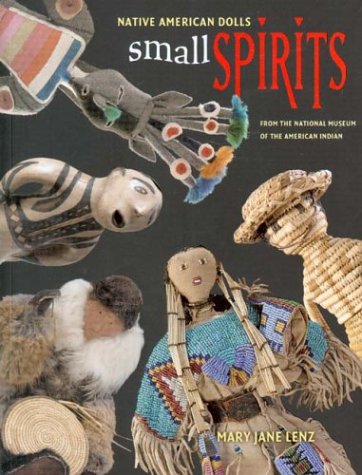

Small Spirits: Native American Dolls from the National Museum of the American Indian
Do you buy the product ....
People buy the item below.
Products are as follows.
Click on the image to select the product in stock. Models and colors.
Click on the image to see the price inside.
and see the details inside in image
Can not find the product you want.
Using the scanner or click on the image to the many other products
Product Description Click the product image.
Thank you for using our services and property purchased with us.
| This book features a dazzling variety of Native American dolls - from prehistoric ceramic figures to striking contemporary creations by Inuit and Pueblo artists - fills the pages of "Small Spirits". These miniature forms have played rich and diverse roles in indigenous cultures from antiquity to the present, serving as toys and learning tools for children, sacred and magical figurines, props and performers in drama and dance, and, in recent years, items manufactured for sale. Some dolls today are created as artworks and coveted by collectors. Stunning full-colour images portray the beauty and craftsmanship of the dolls, from the simplest toy made of sticks and cloth scraps to the exquisitely dressed replica of a woman in her finest regalia. Each offers a glimpse into a particular cultural world - Navajo, Cree, or Tapirape - and into the mind of an individual maker. The great variety of form and materials - such as walrus tusk ivory, cornhusks, and beeswax embellished with the brilliantly coloured feathers of tropical birds - reflects the vibrancy and range of Native American lifeways. Mary Jane Lenz's insightful, authoritative text offers a lively discussion of the intriguing roles that dolls have played in Native American cultures and explores their significance today, while carefully chosen historical photographs bring to life the people who made and used these remarkable creations. ...Read
more |
 |
|
CERTAIN CONTENT THAT APPEARS ON THIS SITE COMES FROM AMAZON SERVICES LLC. THIS CONTENT IS PROVIDED 'AS IS' AND IS SUBJECT TO CHANGE OR REMOVAL AT ANY TIME.
A Guide to Indian Jewelry of the Southwest
05:43 |
Posted by
Unknown
 |
[else] [endif] |
 |
|
| This best-selling guide to collectible Indian crafts features bright, clear photographs of work by Navajo, Zuni, Hopi, and Santo Domingo artists. Brief text details the meticulous tasks these artists perform to create a distinctively Southwestern style of wearable art. ...Read
more |
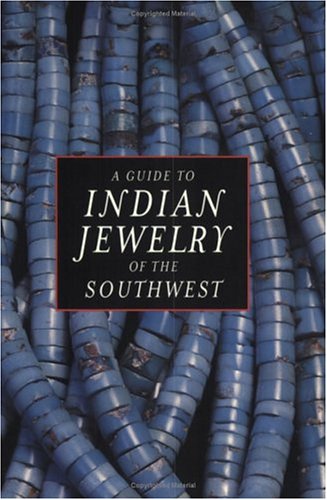
A Guide to Indian Jewelry of the Southwest
Do you buy the product ....
People buy the item below.
Products are as follows.
Click on the image to select the product in stock. Models and colors.
Click on the image to see the price inside.
and see the details inside in image
Can not find the product you want.
Using the scanner or click on the image to the many other products
Product Description Click the product image.
Thank you for using our services and property purchased with us.
CERTAIN CONTENT THAT APPEARS ON THIS SITE COMES FROM AMAZON SERVICES LLC. THIS CONTENT IS PROVIDED 'AS IS' AND IS SUBJECT TO CHANGE OR REMOVAL AT ANY TIME.
Part#2 Capgome Kirab Budaya 2012, Bandung Indonesia
21:22 |
Posted by
Unknown
In Indonesia during the New Order era ( Orde Baru ), everything that had Chinese or China overtones such as the Chinese New Year Festival was banned for a long time because they were thought not to reflect a sense of nationalism. Currently in the Reformation era, the ethnic Chinese have been recognized as a part of Indonesian people. In 2000 President Abdurrahman Wahid (Gus Dur) revoked the Presidential Instruction No. 14/1967, since it is no longer appropriate according to the principles of Unity in Diversity/Bhineka Tunggal Ika (different in cultures, peoples, tribes and religions, but still united in one Nation), and Plularism (Respecting the differences or plurality of tribes, religions, races and cultures). President Abdurrahman Wahid subsequently issued the Presidential Decree No. 19/2001 on April 9, 2001, which acknowledged the Chinese New Year's Day as an optional holiday (only to be observed by the ethnic Chinese who celebrate it). During the administration of President Megawati Sukarnoputri, Chinese New Year's Day was established as the official national holiday beginning in 2003. Now in the reign of President Susilo Bambang Yudhoyono (SBY), the celebration of Cap Go Meh (15 days after the Chinese New Year's Day) is held throughout the country. The city of Bandung in particular held the Cap Go Meh festival for the second time in 2012. The celebration is allowed to take place in the streets according to the tradition of Confucian beliefs. According to the news ...
Do All Indians Live in Tipis?: Questions and Answers from the National Museum of the American Indian
09:10 |
Posted by
Unknown


Do All Indians Live in Tipis?: Questions and Answers from the National Museum of the American Indian
 |
|
|
|
If you've ever wondered about where Native Americans came from, whether they really used smoke signals, or if they wore socks, this book has the answers. From clothing, food, origins, ceremonies, and language to love, marriage, art, music, and casinos, DO ALL INDIANS LIVE IN TIPIS? debunks widespread stereotypes and answers all of the most common questions about Native Americans. Accessible and enlightening, this is the perfect introduction to Native American history and contemporary culture. ...Read more |
Do you buy the product ....
People buy the item below.
Products are as follows.
Click on the image to select the product in stock. Models and colors.
Click on the image to see the price inside.
and see the details inside in image
Can not find the product you want.
Using the scanner or click on the image to the many other products
Product Description Click the product image.
Thank you for using our services and property purchased with us.
Vegan Indian Cooking: 140 Simple and Healthy Vegan Recipes
11:08 |
Posted by
Unknown

Vegan Indian Cooking: 140 Simple and Healthy Vegan Recipes
Do you buy the product ....
People buy the item below.
Products are as follows.
Click on the image to select the product in stock. Models and colors.
Click on the image to see the price inside.
and see the details inside in image
Can not find the product you want.
Using the scanner or click on the image to the many other products
Product Description Click the product image.
Thank you for using our services and property purchased with us.
This beautiful follow-up to Anupy Singla's widely praised first cookbook, the Indian Slow Cooker, is a unique guide to preparing favorite recipes from the Indian tradition using entirely vegan ingredients. Featuring more than 50 recipes, and illustrated with color photography throughout, these great recipes are all prepared in healthful versions that use vegan alternatives to rich cream, butter, and meat. The result is a terrific addition to the culinary resources of any cook interested in either vegan or Indian cuisine. ...Read
more Singla--a mother of two, Indian emigre, and former TV news journalist--has a distinctive style and voice that brings alive her passion for easy, authentic Indian food. Some of these recipes were developed by her mother through the years, but many Singla developed herself, including fusion recipes that pull together diverse traditions from across the Indian subcontinent. She shows the busy, harried family that cooking healthy is simple and that cooking Indian is just a matter of understanding a few key spices. As Singla sees it, acquiring and using the proper spices is the key to preparing her healthful recipes at home. Singla has recently brought to market her own line of traditional Indian spice trays (also known as a masala dabba), which is being sold by retail outlets like Williams-Sonoma. Vegan Indian Cooking builds off of Singla's vast expertise in simplifying and perfecting Indian spices and unique, custom spice blends, making delicious Indian cooking accessible to even the most hurried home chef. |
 |
|
CERTAIN CONTENT THAT APPEARS ON THIS SITE COMES FROM AMAZON SERVICES LLC. THIS CONTENT IS PROVIDED 'AS IS' AND IS SUBJECT TO CHANGE OR REMOVAL AT ANY TIME.
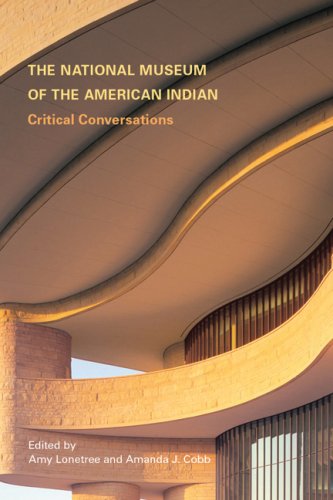
The National Museum of the American Indian: Critical Conversations
03:18 |
Posted by
Unknown
 |
[else] [endif] |
|
|
The first American national museum designed and run by indigenous peoples, the Smithsonian Institution’s National Museum of the American Indian in Washington DC opened in 2004. It represents both the United States as a singular nation and the myriad indigenous nations within its borders. Constructed with materials closely connected to Native communities across the continent, the museum contains more than 800,000 objects and three permanent galleries and routinely holds workshops and seminar series. This first comprehensive look at the National Museum of the American Indian encompasses a variety of perspectives, including those of Natives and non-Natives, museum employees, and outside scholars across disciplines such as cultural studies and criticism, art history, history, museum studies, anthropology, ethnic studies, and Native American studies. The contributors engage in critical dialogues about key aspects of the museum’s origin, exhibits, significance, and the relationship between Native Americans and other related museums. |
The National Museum of the American Indian: Critical Conversations
Do you buy the product ....
People buy the item below.
Products are as follows.
Click on the image to select the product in stock. Models and colors.
Click on the image to see the price inside.
and see the details inside in image
Can not find the product you want.
Using the scanner or click on the image to the many other products
Product Description Click the product image.
Thank you for using our services and property purchased with us.
CERTAIN CONTENT THAT APPEARS ON THIS SITE COMES FROM AMAZON SERVICES LLC. THIS CONTENT IS PROVIDED 'AS IS' AND IS SUBJECT TO CHANGE OR REMOVAL AT ANY TIME.
 Labels:
Aesthetics,
American,
Antique,
Conversations,
Critical,
Decorative,
Design,
Edition,
Effects,
Indian,
Lighting,
Museum,
national,
Practical
|
Labels:
Aesthetics,
American,
Antique,
Conversations,
Critical,
Decorative,
Design,
Edition,
Effects,
Indian,
Lighting,
Museum,
national,
Practical
|
 0
comments
0
comments